
The fabric does theactual work.
Every carrier starts with the cloth. What it’s made from, how it’s woven, how the yarns were dyed before the shuttle ever moved. Get that right and the rest follows.
The natural ingredients we work with
The Fibers
Our carriers aren’t made of one fiber. They’re blends. These are the four fibers we work with; each pairing has a purpose.
Hemp
Strength · structureStrong, breathable, breaks in fast. Always paired with cotton in our blends.

Cotton
Softness · colorThe friendlier counterpart in every blend. Takes dye like nothing else.

Linen
Cooling · structureHeavier, denser, naturally cool. Slubby texture, slight shimmer.

Tencel
Drape · temperatureWood-pulp cellulose, closed-loop process. Silky and fluid.
The Blends
Three natural fiber fabric blends
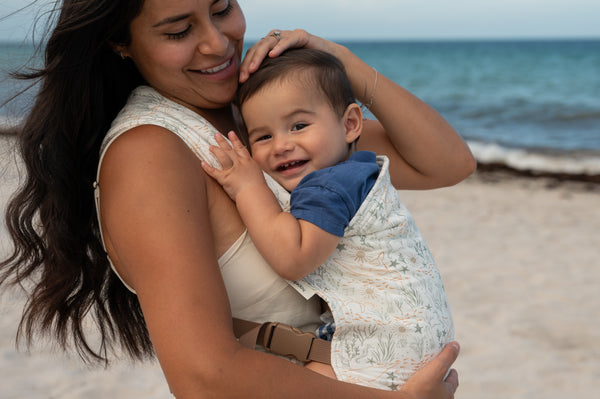
Hemp-Cotton
55% Hemp · 45% Organic Cotton
Lightweight, breathable, softer faster. Our most versatile fabric.

Linen-Cotton
52% Linen · 48% Cotton
Substantial, structured, naturally cool. Holds shape from day one.
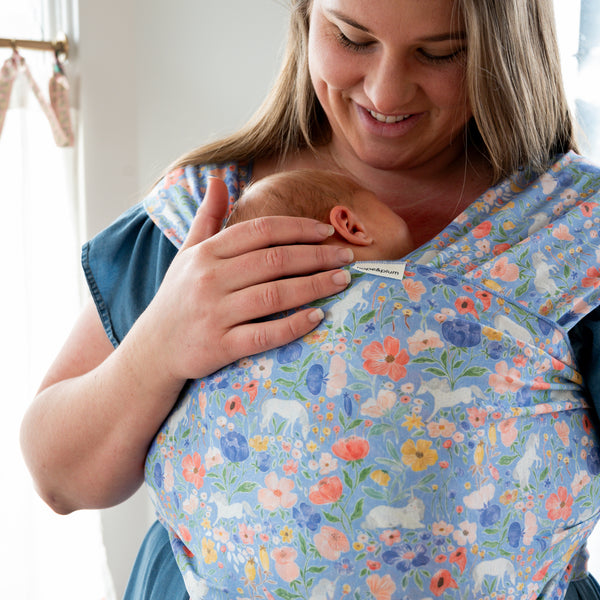
Tencel-Cotton
70% Tencel · 30% Organic Cotton
Silky, stretchy, designed for newborns. Stretchy carrier only.
Find Your Fabric
A quick quiz to point you in the right direction
Let’s find it
Which carrier are you shopping for?
Quick question
Who’s this carrier for?
One more
What’s your climate like most of the year?
Pick what you love.
For Lark and Sprout, the structure of the carrier handles the work, so the fabric difference is mostly about how it feels and looks. Choose whichever pattern speaks to you.
Shop the collection →Tencel-Cotton.
Our stretchy carriers are made in a Tencel-cotton blend designed specifically for the newborn stage. Silky, supportive, second-skin feel from the very first wear.
Shop stretchy wraps →Hemp-Cotton.
Our Meh Dai is made in our hemp-cotton blend. Lightweight, breathable, and softens beautifully with use.
Shop the Meh Dai →Hemp-Cotton Ring Sling.
Double-layer through the rings for extra support, breaks in faster than linen, and handles babies and toddlers comfortably. Our most versatile ring sling fabric.
Shop hemp-cotton ring slings →Linen-Cotton Ring Sling.
Single-layer construction, naturally cooling, lightweight, and moisture-wicking. Ideal for hot climates and a great first ring sling.
Shop linen-cotton ring slings →Either one works.
For a newborn or infant in a mild or four-season climate, both fabrics will serve you well. This is the fun decision: pick your favorite color or pattern.
Fabric FAQs
Are all your fabrics actually soft?
Yes. Every blend we make is comfortable from the first carry. The cotton in our blends takes the edge off plant fibers like hemp and linen so nothing feels stiff or scratchy on baby. The differences we describe below are real but subtle: some break in faster, some are cushier on the shoulder, some develop a silk-like quality that takes a few months of use to reach. But from carry one, all of them are soft enough to use.
Why does hemp feel stiff at first?
Hemp's strength comes from its long, hollow fibers, which is also what makes it crisp out of the package. Every wash and every wear softens it. A hemp-cotton carrier you've used for six months feels nothing like a brand-new one, and the broken-in version is what most parents end up reaching for every day. The stiffness isn't a flaw — it's the same structure that makes hemp so supportive.
Why is my linen-cotton ring sling single-layer when hemp-cotton is double?
Linen-cotton is denser and heavier than hemp-cotton, so a single layer through the rings provides the same support that hemp-cotton needs two layers to achieve. It's not a corner-cut. It's an engineering decision based on each fabric's density. The carry feels equally supportive either way — the thread count and weave structure do the work.
What's the difference between yarn-dyed and piece-dyed?
Yarn-dyed: the threads are dyed before they're woven. Used in chambrays, woven designs, and all our linen-cotton fabrics. The dyeing process itself softens the fibers, so yarn-dyed cloth comes off the loom already broken in a bit.
Piece-dyed: the whole woven cloth is dyed as one piece after weaving. Used for solid-color and illustrated-print hemp-cotton. Comes out a little crisper, softens faster with washing than you'd expect.
Neither is better. They produce different aesthetics and slightly different starting softness, but both end up in the same place with use.
What's a jacquard, exactly?
A jacquard is a weave structure where complex raised patterns are built directly into the cloth. Not printed on, not embroidered, but woven right into the fabric using a programmable loom. The raised and recessed areas trap air, which gives jacquard a distinctly airy, cushioned feel that flat weaves don't have. In hemp-cotton, the jacquard is the cushiest option we offer. In linen-cotton, the textured jacquard is where the fabric really shows off what it can do.
Hemp or linen: how do I actually choose?
Honestly? Many parents end up with both. Linen-cotton for the newborn stage, when you want a fabric that holds its shape while you're still figuring out yours. Hemp-cotton once the carries get longer and lighter starts to matter more.
For Lark and Sprout, the two fabrics are genuinely different carries: linen-cotton is crisper and more structured, hemp-cotton is softer and wraps more easily. If you're buying a first carrier and can't decide, the hemp-cotton flat weave is the most forgiving starting point.
Which hemp design type is right for me?
If you want soft from day one: chambray or woven design. Quieter colors, immediate hand-feel.
If you want the carrier that turns heads: print or piece-dyed. Bolder palette, slightly more structure out of the box, softens into something brilliant with use.
Both are the same fabric and weight. The difference is purely in aesthetics and the first few months of feel.
Is Tencel sustainable?
Tencel is made from sustainably harvested wood-pulp cellulose in a closed-loop process, meaning the solvent used to dissolve the pulp is recovered and reused at over 99% efficiency. It's one of the more sustainable man-made fibers available, and a step up from generic rayon or viscose, which use open-loop production. Our Tencel-cotton blend is also certified organic on the cotton side. So: yes, but specifically.
Want more detail?
You want to understand every fiber, every weave, every design type, and exactly why it matters. We're genuinely like this too. Welcome to the deep end.
The Fibers, Properly
The full story behind each one
Hemp
Strength · structure · gets better with age
Exceptionally strong, weight for weight. Hemp is hollow-stalked, so it wicks moisture and breathes well. It starts crisp and stiff, then softens dramatically with every wash and wear, building a broken-in quality that cotton alone never quite gets to. In a blend, it's the thing that makes a carrier last.
In babywearing
That initial stiffness is structure. Hemp holds exactly where you put it, which a lot of caregivers come to love as their baby gets heavier and wrigglier. The softening happens fast once you start using it, and a well-worn hemp-cotton carrier is often the one that never gets put away.
Cotton
Softness · dye depth · softens everything
The one everyone already knows. Soft, skin-friendly, and the best natural fiber for taking dye, which is why our colors are as saturated as they are. In a blend, cotton does the diplomatic work: it takes the edge off hemp and linen so nothing feels rough, and it holds color in a way neither of those fibers can match alone.
In babywearing
Cotton is what makes new parents comfortable from day one. The blended fabrics feel familiar immediately, without the break-in hesitation that a pure hemp or pure linen would have. It's also what lets us print on the fabric — hemp and linen don't take dye as cleanly.
Linen
Weight · structure · naturally cool
Heavier and denser than hemp-cotton. Linen has a characteristic slub — slight variations in yarn thickness that give it a hand-woven look even when it isn't. It holds its shape better out of the package and starts more structured. Like hemp, it softens with use, but the end point is different: linen stays crisper and more defined.
In babywearing
The weight and density of linen-cotton mean ring slings are single-layer — the fabric does the work that double-layer hemp-cotton achieves through volume. Some caregivers find the initial structure easier to tie and position. The fabric's ability to hold its shape can feel like an advantage once you get used to it.
Tencel
Drape · sheen · temperature regulation
Made from sustainably harvested wood-pulp cellulose in a closed-loop process. Tencel starts soft and stays soft — no break-in required. It has a slight sheen, excellent moisture-wicking, and a drape unlike anything you get from plant fibers. In a blend, it handles temperature regulation and lends the fabric its fluid quality.
In babywearing
We use Tencel only in our stretchy carriers, where its drape and elasticity work in concert with the stretch of the organic cotton. The result is a fabric that moves with a newborn's body, stays breathable against skin, and doesn't sag or lose its shape the way synthetic-blend stretchy carriers tend to.
The Blends, In Full
Each fabric, what's in it, how it's woven, and what that means when you're wearing it
Used in Ring Sling (double-layer), Baby Lark, Kid Lark, Sprout, Meh Dai
Our lightest woven fabric, and the one with our boldest prints and colors. Hemp-cotton is finer and more fluid than linen-cotton, breaks in faster, and has no complaints in the heat. Because the cloth is thinner, ring slings are constructed from two layers through the rings: same supportive carry, different weight in the hand. Understated or unmissable, it's all here.
Weaves
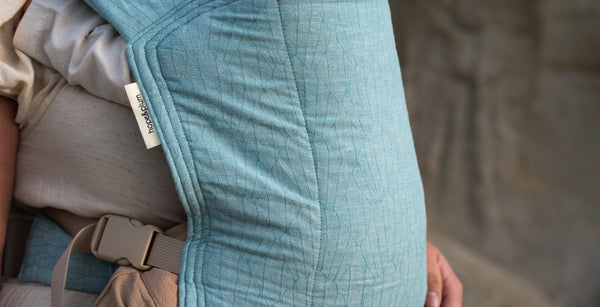
Jacquard
A luxurious, durable textile with complex patterns woven directly into the fabric, not printed or embroidered on top. Builds a dense, cushioned surface noticeably softer than plain weave.
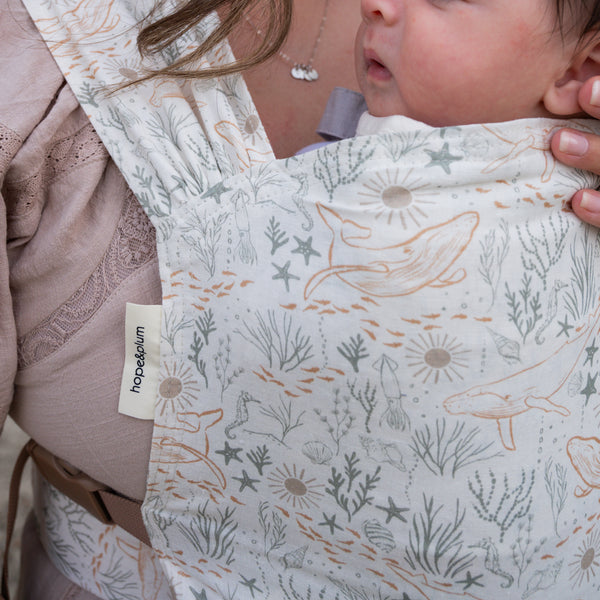
Plain weave
Each warp thread crosses each weft in a simple over-under sequence. Lighter and more breathable, with a clean surface that lets prints and piece-dyed colors do exactly what they're supposed to.
Design types

Woven design
Yarn-dyed · pattern built into the weave · softest
Shop Woven designs

Chambray
Yarn-dyed · colored warp + contrast weft · softer
Shop Chambrays
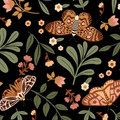
Illustrated print
Printed after weaving · bold graphics · moderately soft
Shop Illustrated prints

Piece-dyed (Solid)
Dyed as whole cloth · saturated solids · slightly crisper
Shop Piece-dyed (Solid)
Used in Ring Sling (single-layer), Baby Lark, Kid Lark, Sprout
Our most substantial fabric. Heavier, denser, with a slubby texture that makes every piece look hand-woven even when it isn't. It comes out of the packaging more structured than hemp-cotton. Some parents read that as "harder to learn with," others read it as "holds its position immediately." Both are accurate. Ring slings are single-layer: the fabric's weight and density does the work that double-layer hemp-cotton achieves through volume.
Weaves
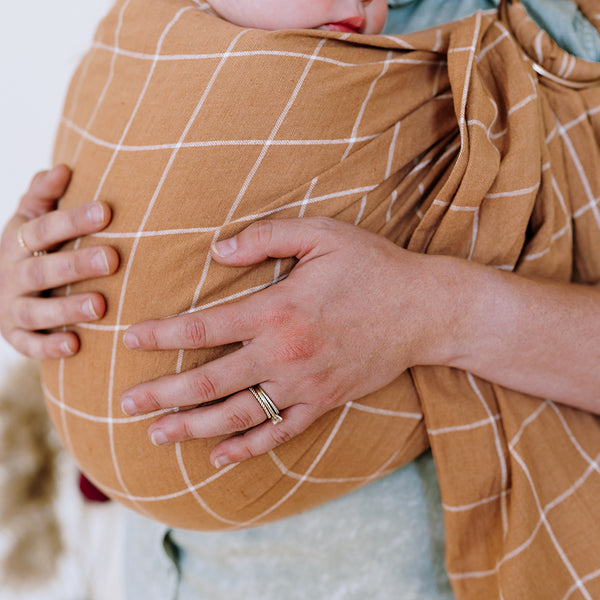
Plain weave
Clean, balanced, lets linen-cotton's natural texture speak for itself. Good breathability, maximum pattern clarity, supportive from the first carry.
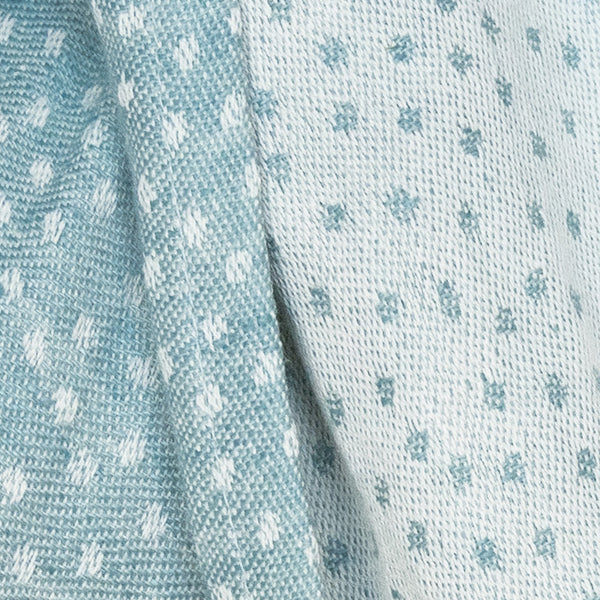
Jacquard
Complex raised patterns woven directly into the cloth. Air pockets give linen-cotton jacquard a distinctly cushioned feel plain weave doesn't have. More cush, more visual depth.
Design types
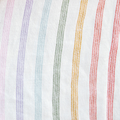
Woven design
Yarn-dyed · pattern built into the weave · softest
Shop Woven designs
All linen-cotton designs are woven designs. Pattern is structural, not surface. Yarn-dyed throughout, so every linen-cotton piece starts softer than a printed equivalent would. The weave (plain or textured) is where the real feel difference lives.
Used in our Stretchy Carrier
Stretchy carriers are a different animal, but don't mistake "stretchy" for "saggy." Our Tencel-cotton carriers are built to hold their shape, with the give to move with a newborn's body and the support to keep them exactly where they need to be. Tencel handles the drape, sheen, and temperature regulation. Organic cotton handles the softness and color. Together, they make a fabric designed for the newborn stage that quietly outperforms its brief.
Design types

Piece-dyed (Solid)
Saturated solids · Tencel-cotton at its most tactile
Shop Piece-dyed (Solid)
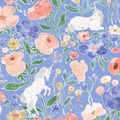
Illustrated print
Bold graphics on the fluid Tencel-cotton base
Shop Illustrated prints
What “Soft” Actually Means
Quick reassurance: this is not a “is it soft?” question. All our fabrics are soft. This is a “what kind of soft do you want?” question.
Softness isn’t one quality.
When people say a carrier “feels soft,” they’re describing up to four different qualities at once, and the same fabric can score very differently on each.
How the surface behaves against skin.
Whether it's frictionless and silky, or slightly textured comes from the fiber. Tencel is the smoothest. Linen has a characteristic slub — texture that's part of its appeal, not a flaw. Yarn-dyed fabrics land smoother than printed because the fibers were softened in the weaving process.
How much the fabric gives on the shoulder.
Textured weaves (herringbone and jacquard in hemp-cotton; jacquard in linen-cotton) create raised areas and air pockets that a plain weave doesn't have, and those translate directly into shoulder comfort under load. A plain weave linen-cotton is supportive and precise. A jacquard is all that, plus noticeably cushy.
How even the yarns feel across the cloth.
Cotton fibers are short and consistent: very smooth, very uniform. Hemp and linen fibers are longer and more variable, which gives them texture and a slight roughness when new. The cotton in our blends is doing this diplomatic work — evening things out from day one.
How much the fabric was worked before it reached you.
Yarn-dyed fabrics (chambrays, woven designs) go through dyeing, drying, and the full mechanical action of the loom before the carrier is finished. That's a lot of softening. Printed and piece-dyed fabrics are dyed after weaving, so they start crisper. Not worse. Just different.
From soft to softest
All linen-cotton designs are woven designs, so weave structure is the main variable. Both are yarn-dyed: jacquard edges ahead on cushion.
SEE THE DIFFERENCE
HEMP-COTTON VS. LINEN-COTTON
Notice the texture: hemp-cotton is finer, linen-cotton has a visible slub.
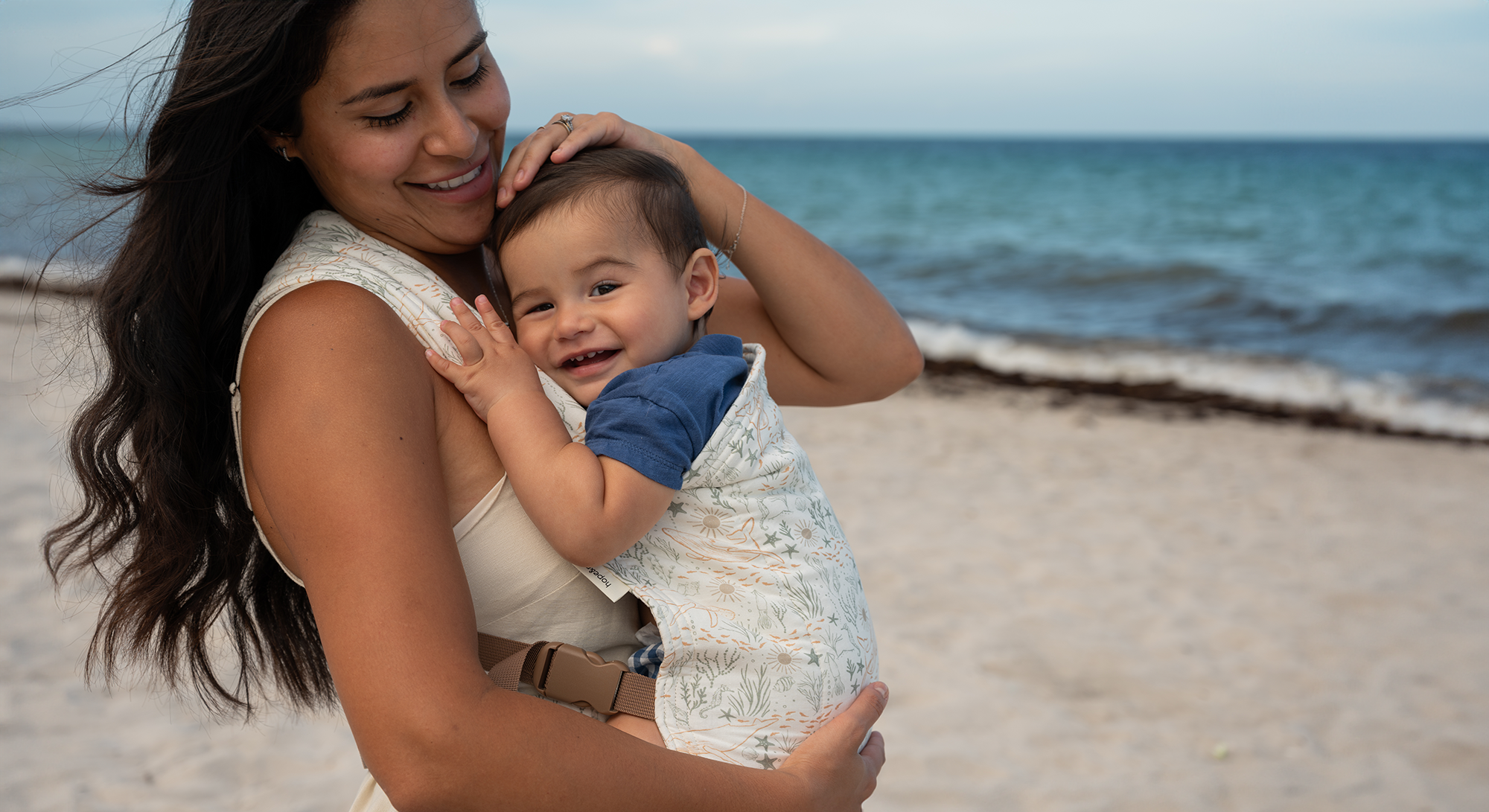
Hemp-cotton
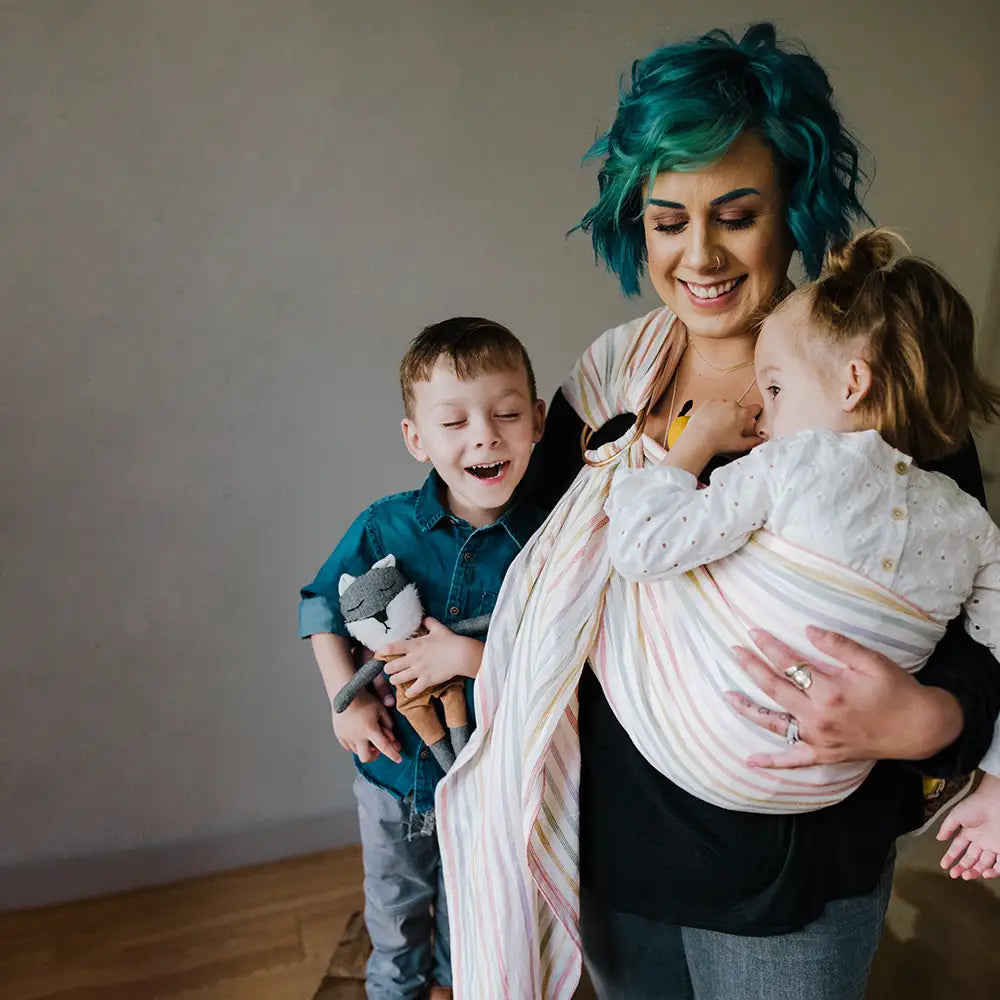
Linen-cotton
Chambray vs. illustrated print
Same blend, different design type. The chambray’s colour comes from the yarn itself; the print is dyed after weaving.
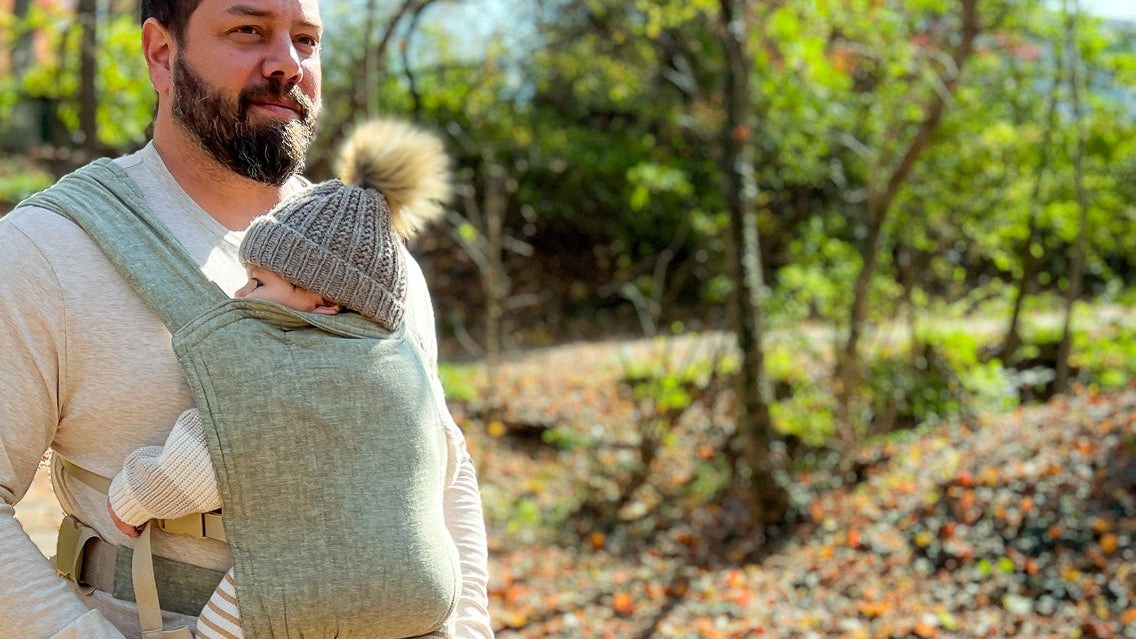
Chambray
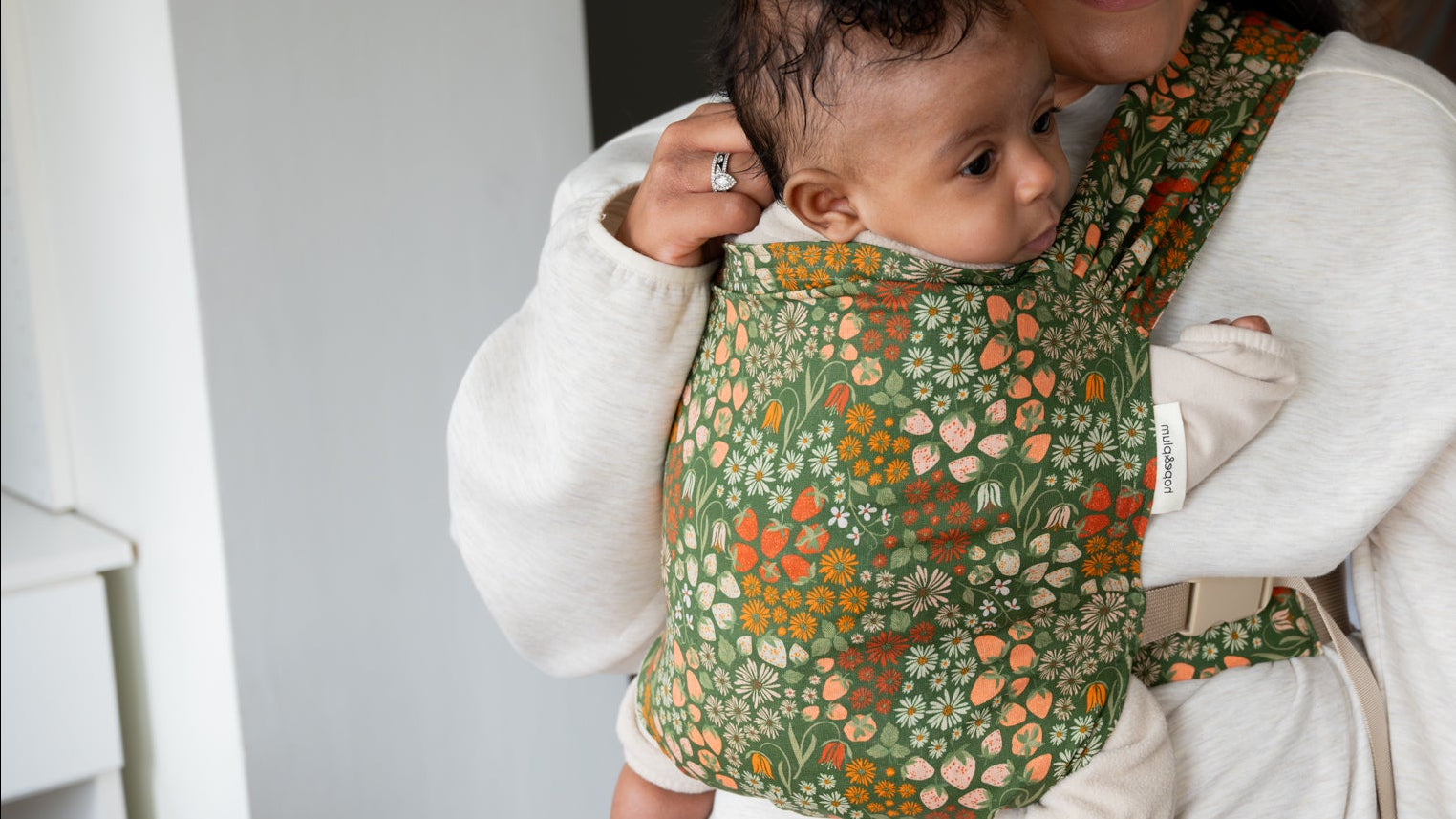
Illustrated print