
 Hip-healthy · Pain-Free
Babywearing That Feels As Good as it looks
Engineered for natural infant hip development and effortless caregiver weight distribution: with zero inserts and zero compromise on comfort.
Hip-healthy
Every size
Families carrying
Ergonomics is not a brand.
It is a design standard.
By definition, ergonomic means designed to fit the human body and eliminate strain. In babywearing, that standard has to apply to two bodies.
Why hip health in a baby carrier matters
Every hope&plum carrier supports the natural M-position pediatricians recommend: knees higher than hips, spine in a gentle C-curve, weight on the thighs.
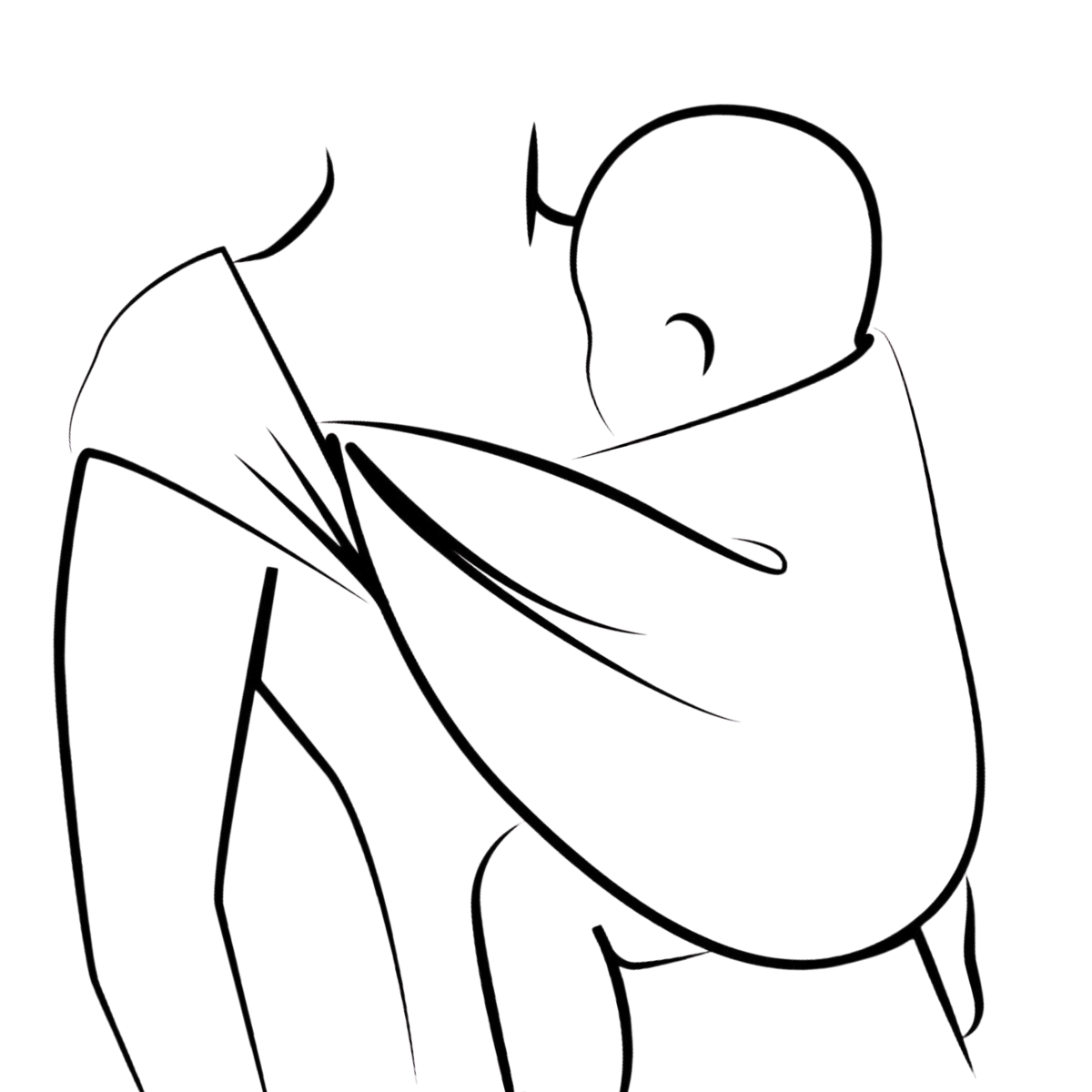
Spine in C-curve
Supports the natural rounded spine with no flattening across your child's lower back.

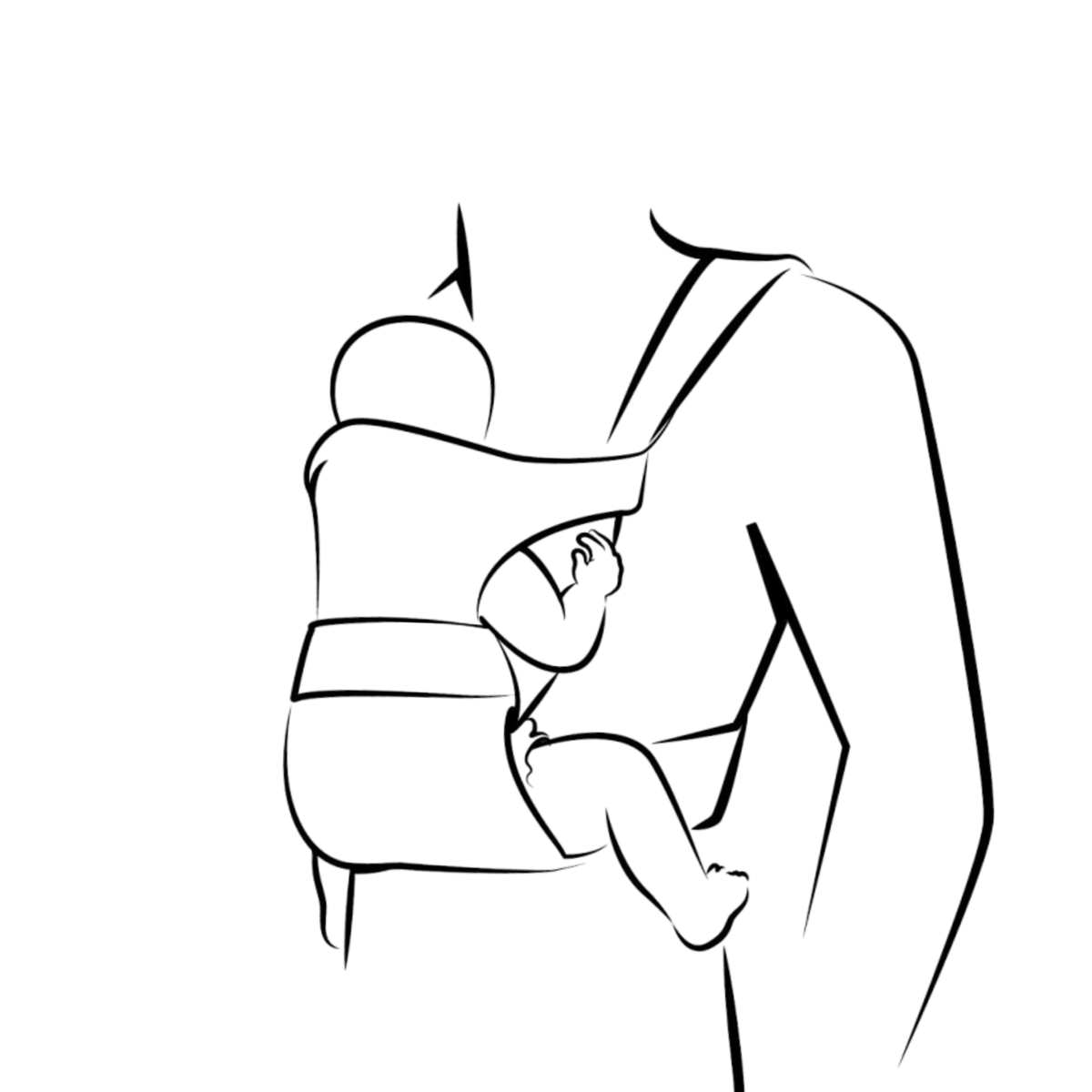
Knee-to-knee support
Fabric reaches from knee-to-knee in younger babies, supporting their thighs and hip development.
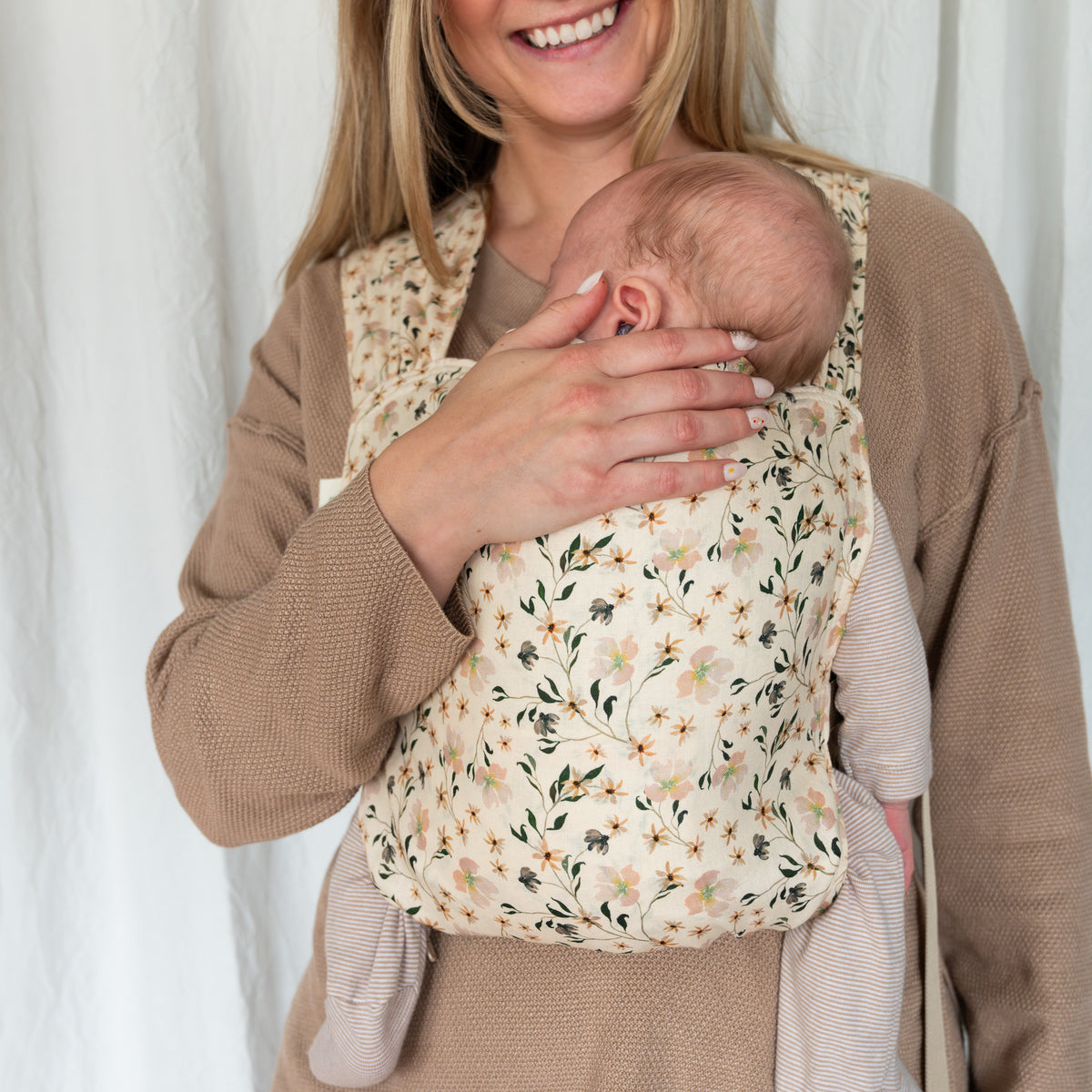
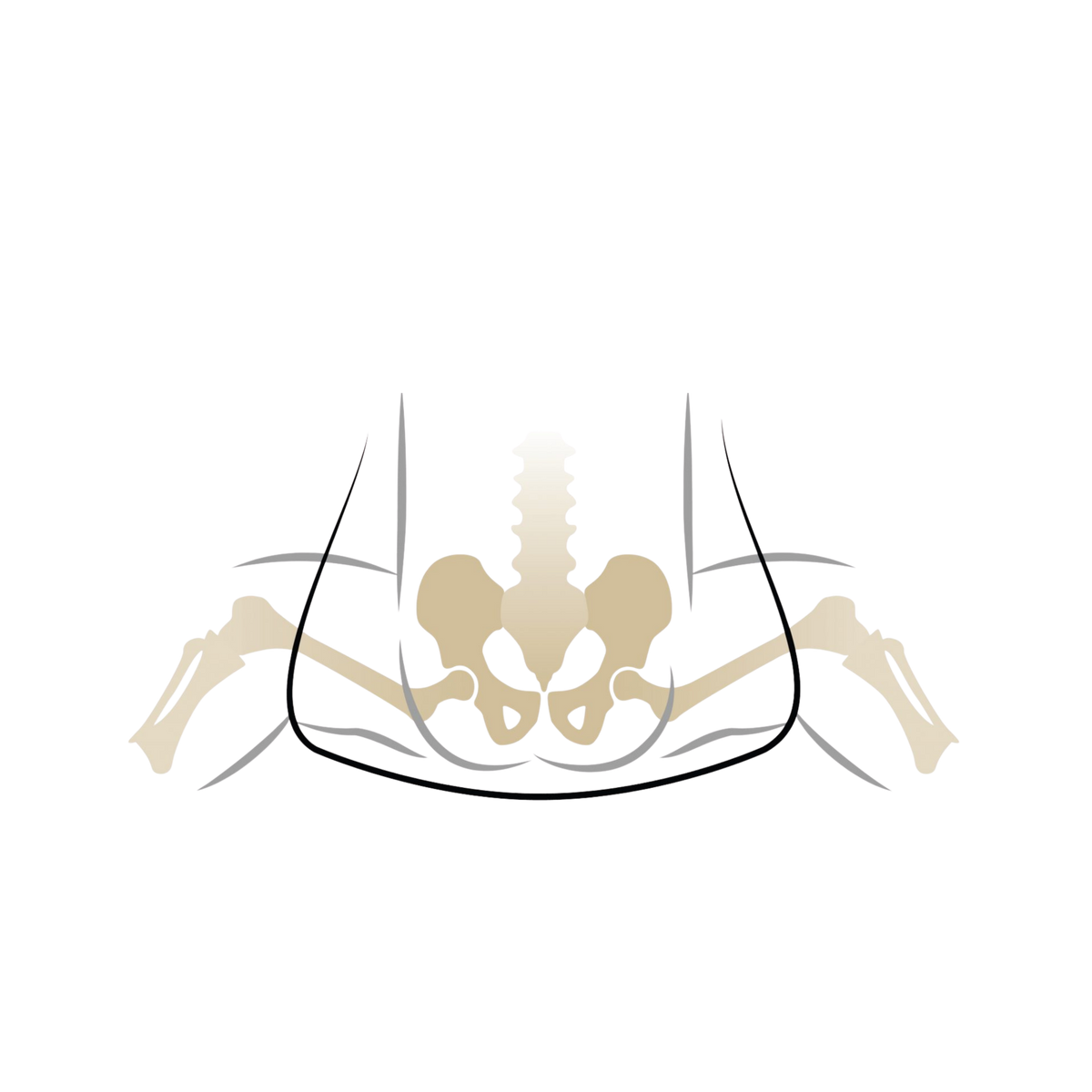
Hip alignment
Pelvis and femurs sit in the spread-squat position recommended for healthy hip development by the IHDI.
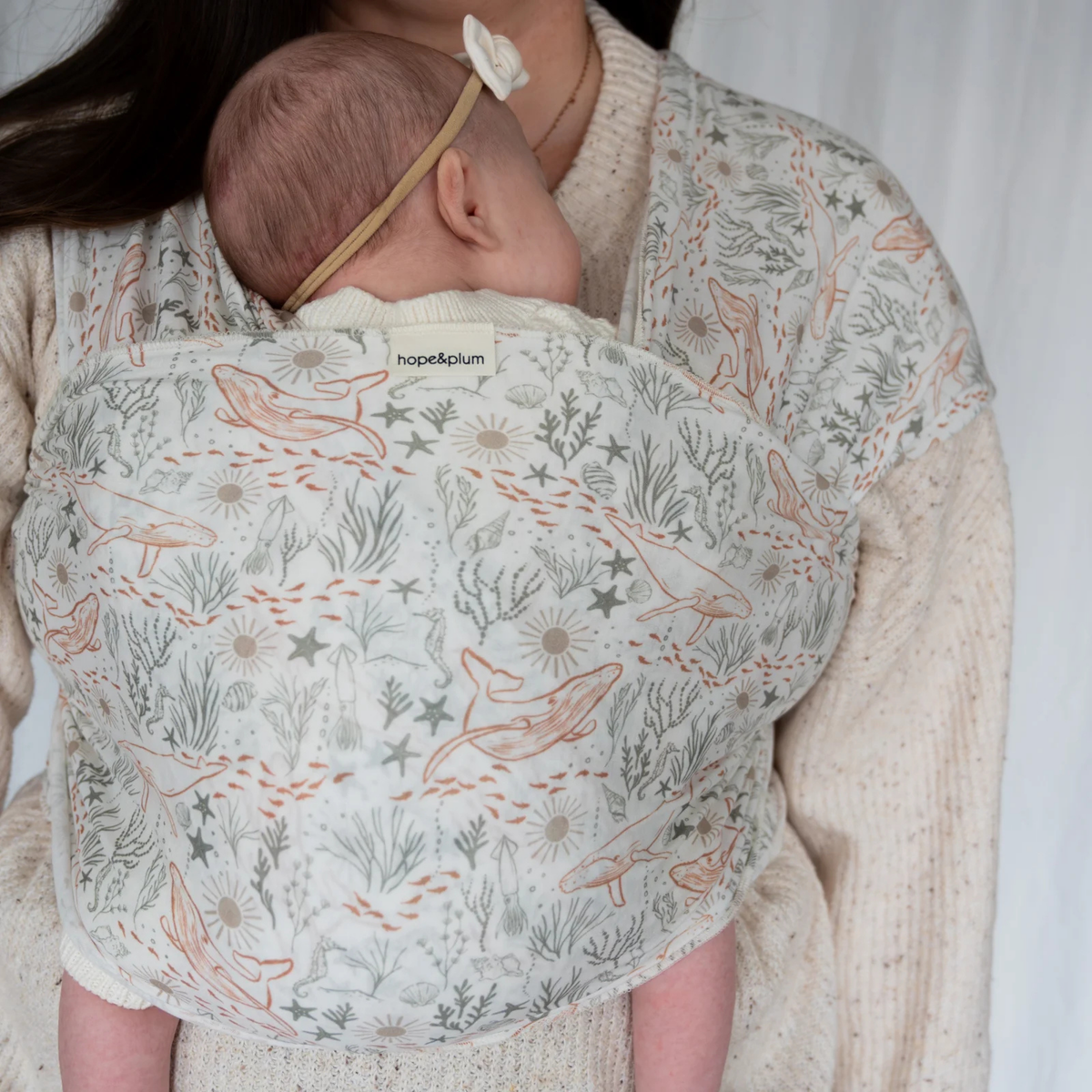
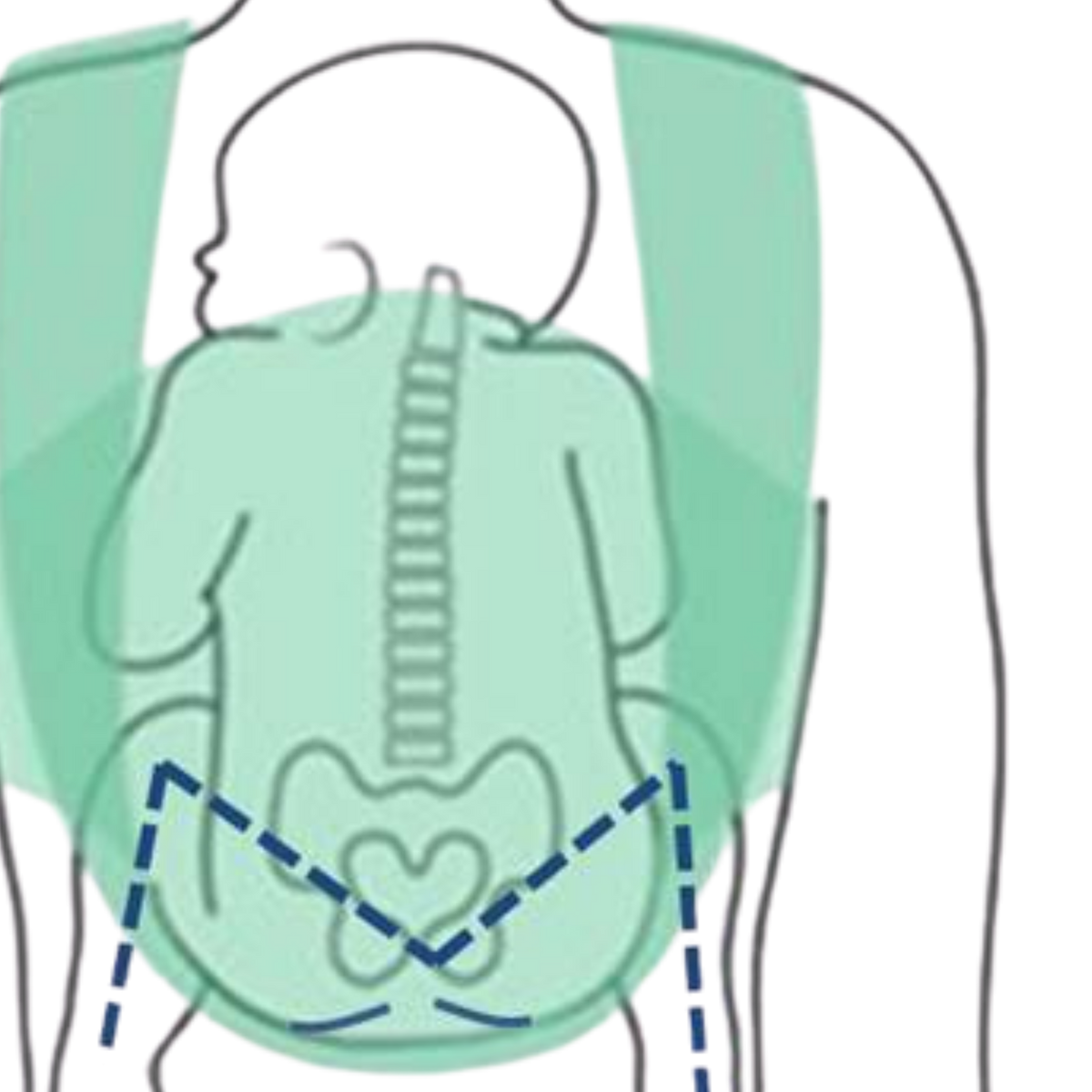
M-position seat
Knees above bottom, thighs fully supported: holding baby's hips in the IHDI recommended M-position.
Infant Hip Health
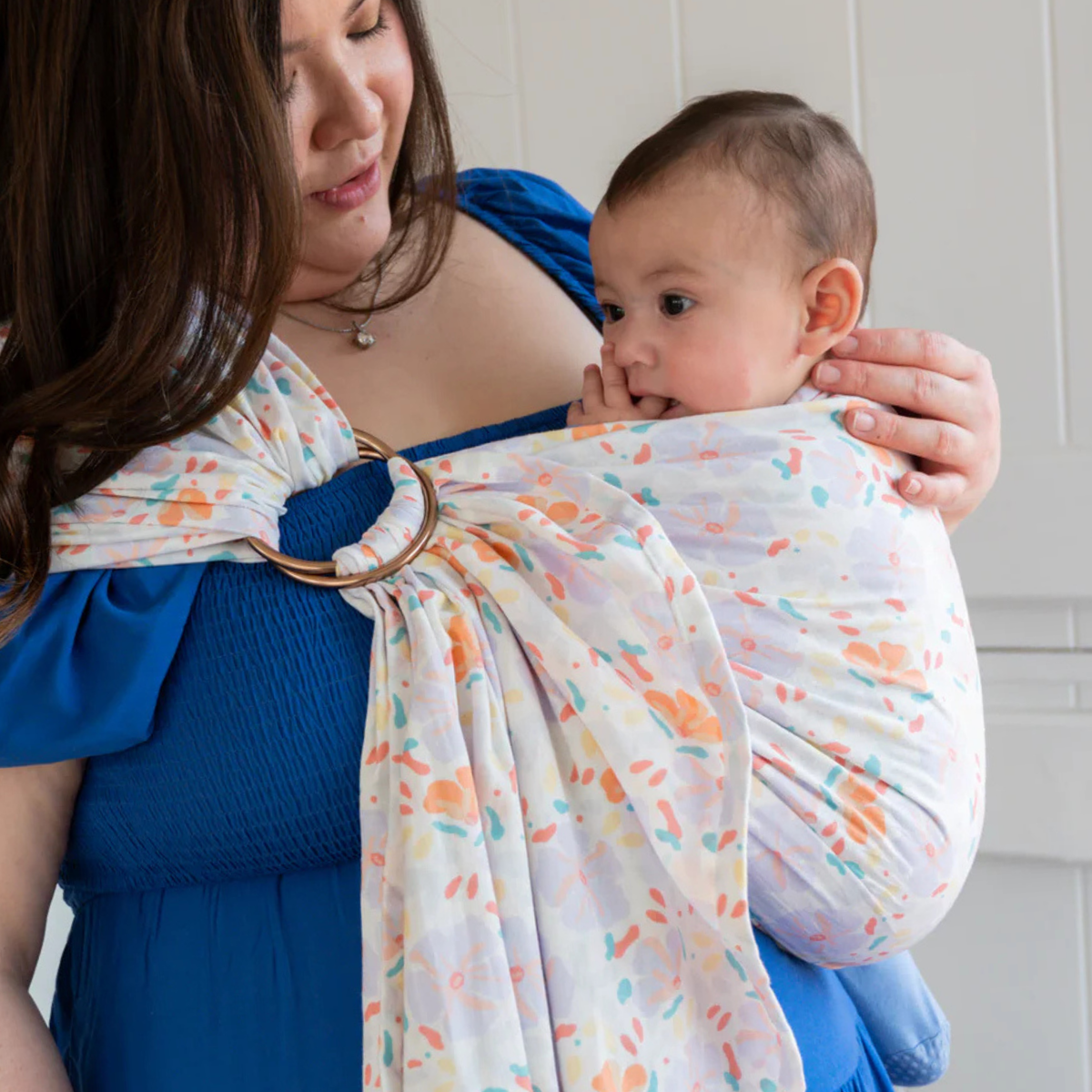
Whether you choose a structured buckle carrier, a ring sling, a wrap, or a meh dai: every hope&plum carrier seats your baby in the M-position from the very first carry. No inserts required at any weight.
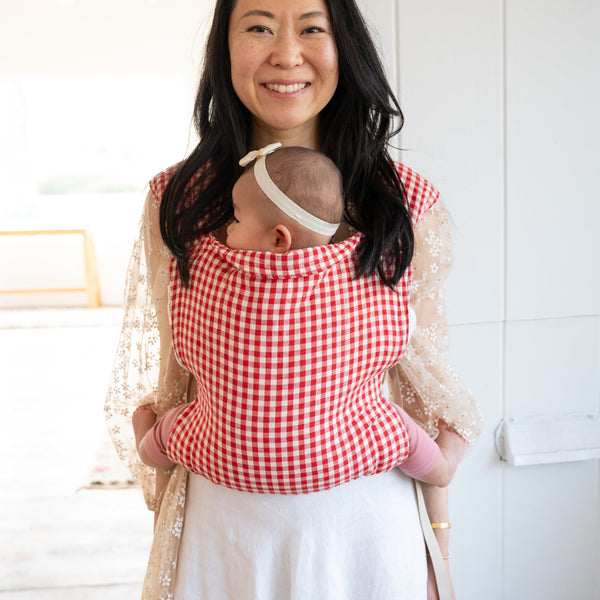
Lark Baby Carrier
10–45 lbs · 3 mo to 3 yrs
Patented wide cross-back straps distribute weight across your upper back. Ergonomic seat holds the M-position from 10 lbs through toddlerhood.
Shop Lark Baby Carriers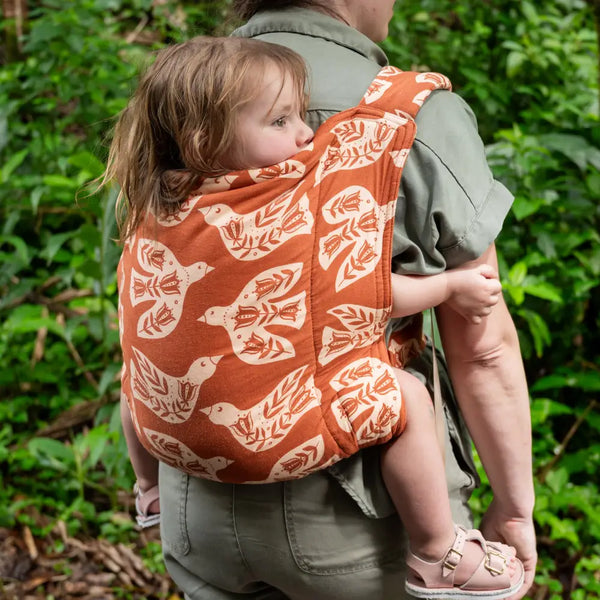
Lark Kid Carrier
25–65 lbs · 3 yrs and up
The same hip-healthy ergonomic design, scaled for bigger kids. Because more support for them means more support for you.
Shop Lark Kid Carriers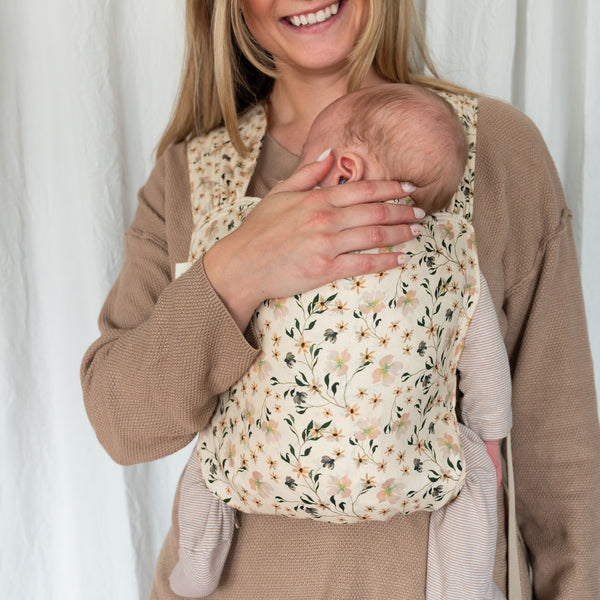
Sprout Carrier
7–24 lbs · birth to 12 mo
Newborn-specific M-position support from day one. No insert needed. Buckle and go with proper hip and spine alignment built in.
Shop Sprout Carriers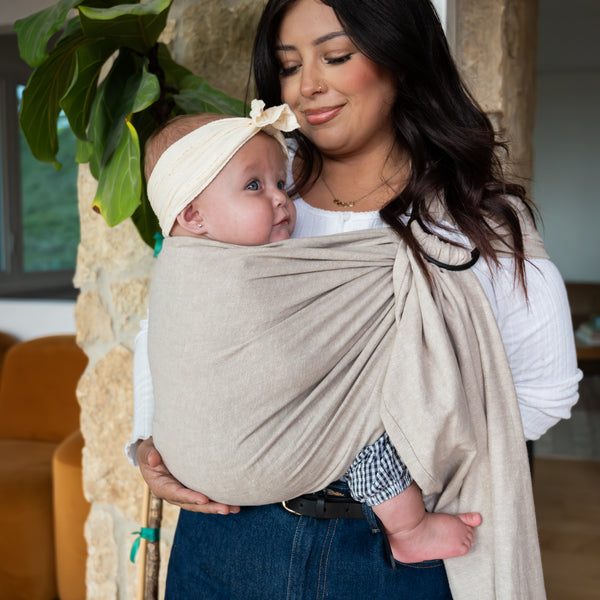
Ring Sling
7–35 lbs · birth to toddlerhood
Natural fiber sling that wraps baby into a supported spread-squat position. Adjusts in seconds and grows with your baby from newborn through toddlerhood.
Shop Ring Slings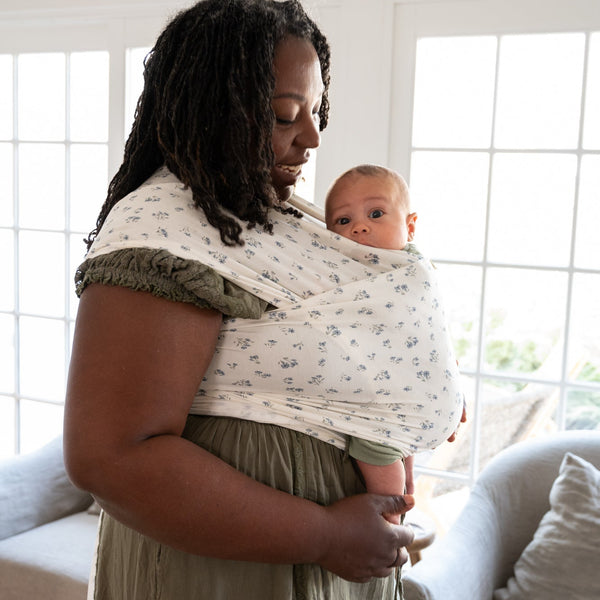
Baby Wrap
7–35 lbs · birth to 12m
Long natural fiber wrap that holds your newborn in a gentle C-curve spine and spread-squat seat. The closest thing to womb positioning outside the womb.
Shop Wraps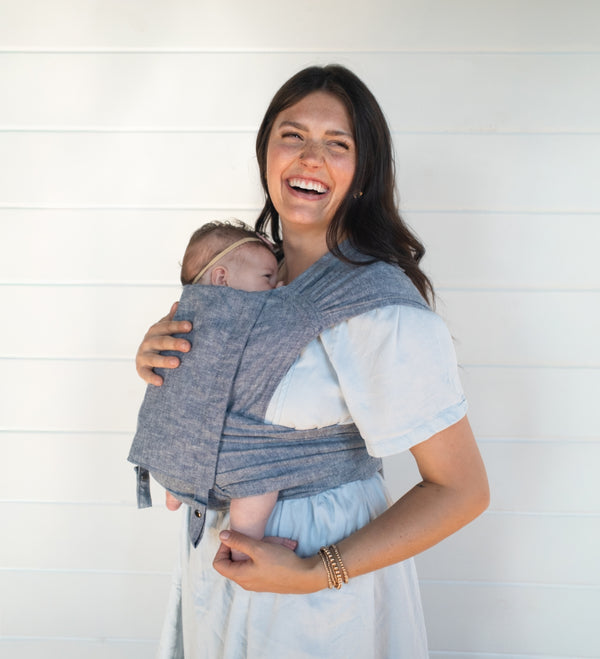
Meh Dai
7–45 lbs · birth through toddler
Tie straps mold to your body and distribute weight evenly. Panel and seat designed for the M-position from birth through toddler years.
Shop Meh Dai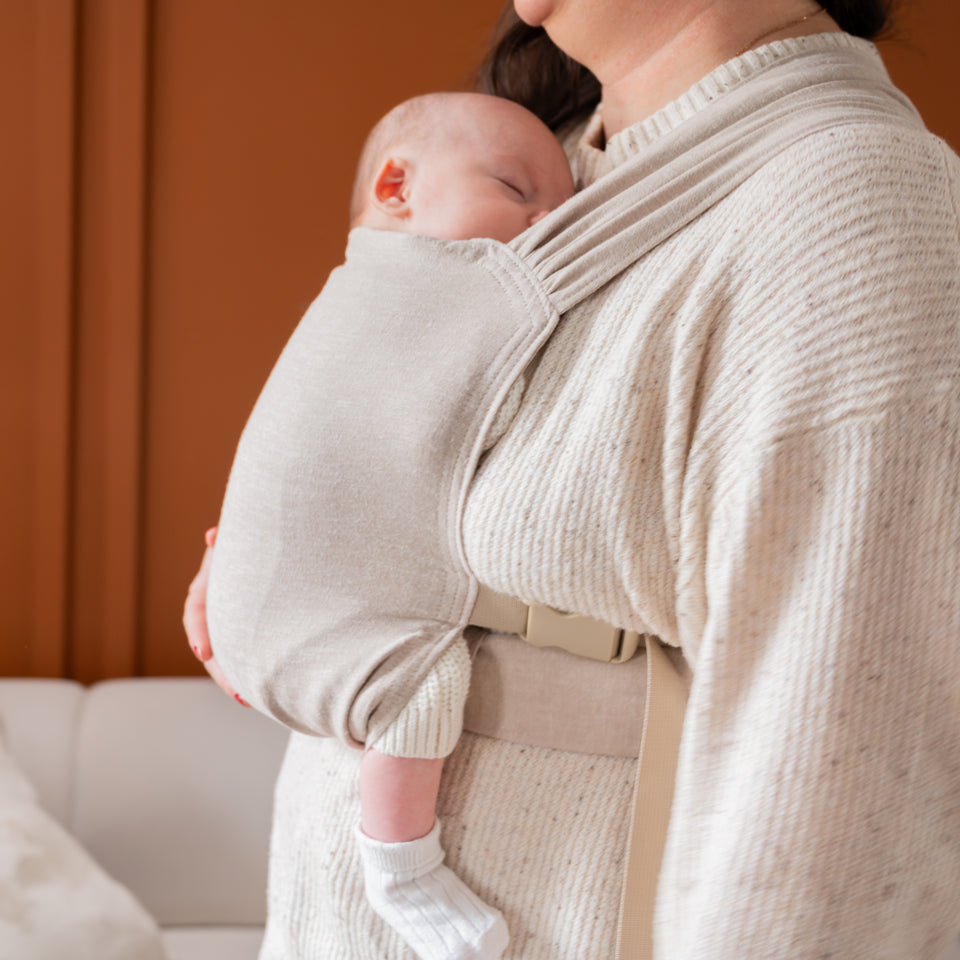
"I recommend the Sprout to families of 7+ pound newborns. It's intuitive for positioning baby's spine and hips correctly, and designed to avoid common safety pitfalls like covering baby's face."
Ergonomics for parents: preventing back, neck, and shoulder strain.
Every carrier we make sends your baby's weight somewhere different. Here is the map.
Pick a carrier, see where the weight distribution goes.
These are generalizations based on the average person. Where the weight actually lands depends on your baby's size and your own proportions!
"This carrier does a fabulous job of working with your bodies mechanics instead of against them. The cross back straps help a TON with even weight distribution so your lower back and upper back share the load."
"I'm a PT and my baby is 10 months old and she naps in the Lark every day and my back is fine. It's supportive and cozy."
We care how it fits you, not just that you bought one.
A carrier only works if it works on your body. So we offer unlimited free fit checks, for as long as you are using your hope&plum carrier.


Parents who found relief.
Most Carriers Ignore Your Pelvic Floor. We Don’t.
Postpartum parents are often carrying more than just a baby. The Lark is designed to distribute load in a way that supports your whole body, not just your back.
As a pelvic floor therapist, the Lark is one of the few carriers I feel genuinely comfortable recommending. It helps distribute weight across the torso rather than concentrating strain through the lower back and pelvic region, which can make a significant difference for postpartum parents navigating healing tissues, core weakness, or pelvic floor symptoms. Personally, I’ve found it contributes to less pelvic pressure compared to other babywearing options. For these reasons, it’s a carrier I confidently recommend to the families I serve.
Chrissy Daigle, OTD, OTR/L
Real reasons. Not the fluffy ones.
Pick your situation.
A landmark study had parents carry their babies at least three extra hours a day. Crying dropped 43% overall, and 54% at night. That's not a fluke.
Physical closeness regulates cortisol, stabilizes heart rate, and recreates the warmth your baby knew before birth. The fourth trimester is real. A carrier is one of the few tools actually designed for it.
Hunziker & Barr, Pediatrics, 1986 — one of the most replicated studies in infant care research.
Carrying your baby upright counts as tummy time. It works the same neck, back, and core muscles without the floor protests.
Babies in carriers are also at adult eye level. They hear real conversation, see faces, and experience the world as you move through it. That's what early cognitive development actually looks like.
M-position endorsed by the International Hip Dysplasia Institute.
Our carriers distribute weight across your hips and both shoulders, not just your lower back. The difference between a well-designed carrier and a cheap one is the difference between all-day wear and giving up after 20 minutes.
Properly fitted, weight transfers to your hips the same way a well-packed hiking pack does.
Gravity helps with reflux. Being upright, at your chest, keeps acid down in a way no swing or bouncer can replicate.
The rhythmic motion of walking does something to the nervous system that is genuinely hard to manufacture any other way. For reflux and colic, babywearing is often the first thing that works.
Swings, bouncers, rockers: those are containers. A carrier is the opposite. Your baby moves when you move, hears what you hear, stays engaged while you get things done. That's hands-free and active stimulation at the same time.
It also means no stroller. Airports, farmers markets, cobblestone streets: a carrier goes everywhere a stroller turns into a negotiation.
Ring slings are built for discreet, on-the-go nursing. Adjust, feed, keep walking. No hunting for a bench, no cover fumbling.
Skin-to-skin during nursing boosts oxytocin for both of you, supporting milk supply and bonding at the same time. The science and the practicality line up here.
Skin-to-skin contact triggers oxytocin, the bonding hormone, in the parent, not just the baby. Consistently elevated oxytocin is linked to lower rates of postpartum anxiety and depression.
Contact matters for you too. You don't have to be struggling to benefit. But if you are, it's worth knowing the carrier you just ordered is also doing something for you.
Feldman et al. on kangaroo care and parental oxytocin; multiple studies linking skin-to-skin contact to reduced postpartum anxiety scores.
Baby Carrier Ergonomics FAQS
hip-health for baby
Are baby carriers safe for my baby's hips?
Yes. When a carrier seats your baby in the M-position: knees above hips, thighs fully supported. It supports healthy hip joint development. All hope&plum carriers are designed to achieve this position from the very first carry with no inserts required.
What is the M-position in babywearing?
The M-position refers to the spread-squat seating position where your baby’s knees are higher than their bottom and their thighs are fully supported from knee to knee. When viewed from the front, the baby’s legs form the shape of an M. Pediatric hip health experts recommend this as the optimal position for babywearing.
What is the spread-squat position for babywearing?
The spread-squat position (also called the M-position) keeps the femoral head seated correctly in the hip socket during the critical window of early development. Knees sit higher than the bottom, thighs are fully supported from knee to knee, and the spine maintains a natural C-curve. This is not a marketing claim. It is anatomy.
Which hope&plum carrier is best for hip health?
All of them. Every hope&plum carrier is designed to seat your baby in the M-position from the very first carry. The best carrier for your situation depends on your baby’s age and how you plan to use it. Take our quiz and we will match you.
Are hope&plum carriers IHDI certified?
The International Hip Dysplasia Institute no longer certifies or independently tests individual products. Their website now lists corporate sponsors at paid partnership tiers ranging from $25,000 to $500,000 over five years. We have chosen not to participate because we do not believe a paid listing is equivalent to product testing, and we do not think parents should have to wonder whether a logo means a product was actually evaluated.
What we can tell you is that every hope&plum carrier is designed to achieve the M-position and spread-squat seat that pediatric hip health experts recommend, using natural fiber fabrics that support rather than restrict healthy positioning.
baby carrier pain
Why does my baby carrier hurt my shoulders?
Usually because all the weight lands on your shoulders. Straps that run parallel from the panel straight up over each shoulder concentrate the baby's weight into a narrow band right where your shoulder meets your neck. Pressure that starts as a nuisance becomes a burning hot spot over time. Wide cross-back straps, like those on our Lark Baby Carrier, Sprout Newborn Carrier, Meh Dai, and Baby Wraps, spread that same weight lower and wider, across your upper back.
Why does my lower back hurt when I babywear?
Two common causes. The waistband is sitting above your hip bones, so the load hangs off your lumbar spine instead of resting on your pelvis. Or the baby is far enough from your body that your back muscles work to hold you upright against their weight. Drop the waistband onto your hip bones, snug it before the straps, then cinch the panel until there is no gap.
What is the difference between H-back and cross-back baby carrier straps?
H-back straps run parallel from the carrier panel straight up to each shoulder, concentrating weight at the shoulder tips. Cross-back straps cross the wearer’s back before reaching the shoulders, distributing weight more broadly. The Lark’s patented cross-back strap design is wider than standard cross-back configurations, specifically shaped to spread load across the upper back rather than the shoulder tips.
Can I babywear during postpartum recovery?
Many parents find babywearing with a well-fitted carrier more comfortable than carrying in arms during postpartum recovery. The Lark’s apron-style waist transfers weight to the hips rather than the lower back, and the cross-back straps reduce upper shoulder strain.
For C-section recovery or diastasis recti, we recommend consulting your care provider before babywearing. Our team offers free one-on-one fit consultations to help you find the most comfortable setup for your body.
Find your carrier
Don't guess. Let us do the thinking.
Not sure which carrier is right for your baby's age and your body? Take our 60-second quiz.