
A Gentle, OT-Led Approach to Babywearing for Postpartum Recovery
Beginning to wear your baby in a carrier is such an exciting postpartum milestone. Babywearing can empower you to return to activities that matter to you while bonding with your baby. But babywearing for postpartum recovery doesn’t mean you use a carrier to immediately re-enter a fast-paced pre-baby lifestyle. It’s very important in the early postpartum days that you enjoy babywearing as a tool for bonding rather than a way to “boost” productivity. Proper ergonomics and carrier fit will be key for supporting your recovery and setting you up for a long and successful babywearing journey.
TL;DR
The best way to incorporate babywearing into your postpartum period is as a bonding tool rather than a way to boost productivity.
It’s important to listen to your body’s signals, reconnect with your body slowly, and take breaks when you need them.
Approach babywearing gradually and prioritize rest during baby’s first few weeks.
Many people can babywear after a C-section and with pelvic floor concerns. Check with your care team and choose carriers that support your specific needs.
Be mindful of how you move and always do what feels best for you.

Table of Contents
Listen to Your Body’s Signals
After giving birth, you might find you need to reconnect to your body and relearn how to move and engage in tasks now that your baby is in the outside world. It’s really important to be mindful of signals you get from your body, especially if you notice fatigue, soreness, fluid build-up in your legs and ankles, or discomfort in your pelvic floor.
If you notice these signs during babywearing or otherwise, it’s your body telling you to slow down and take a rest, and it’s important to listen when possible. The other things can wait. In the early days, slowing down and soaking it all in is where the magic happens.

Prioritize Rest in Early Postpartum & Build Activity Tolerance Over Time
You might have heard of the 5-5-5 guidance for postpartum recovery. The idea is 5 days in bed (total rest), 5 days on the bed (light activity like diaphragmatic breathing or short walks within the home), and 5 days around the bed (moving within the house engaging in light activity), with a goal of prioritizing rest, bonding with baby, and setting boundaries around visitors and chores. While the strictness of the 5-5-5 guidance isn’t realistic for some families, especially if you have other children or a partner who needs to return to work sooner than 2 weeks, the overall messaging is good.
The goal of the 5-5-5 method is to focus on rest and gradual building of activity tolerance. This applies to all postpartum recoveries. Jumping back into a busy schedule quickly after giving birth can delay healing. It can feel easy to use babywearing as a tool to get moving and get things done, but it’s important to focus on babywearing as a tool for bonding and supporting your body in the early days, not as a productivity booster.

Postpartum Babywearing Readiness: A Gentle Timeline
Here’s a quick chart to reference as a timeline for your postpartum recovery:
Postpartum Phase |
Body Focus |
Babywearing Guidance |
Days 1–5 |
Rest, healing, bonding |
Focus on skin-to-skin and rest; babywearing only if comfortable and brief |
Days 6–10 |
Light movement |
Short babywearing sessions at home with supportive carrier |
Days 11–15+ |
Gradual tolerance |
Increase duration slowly; prioritize comfort and posture |
Ongoing |
Individual recovery |
Let symptoms guide duration and activity level |
OT Tip:
Your recovery is individual — think of this timeline as guidance rather than strict rules.

Special Considerations: C-Section Recovery
If you’re post C-section and wondering when you can babywear, a great place to start is by checking in with your care team while you’re still at the hospital. Depending on how your C-section went, you might have a variety of lifting and activity restrictions for a set period of time.
If your lift restriction is “don’t lift more than your baby,” you can babywear them when you feel ready. Prioritize short wearing sessions at first. Choose a carrier that doesn’t irritate or put pressure on your incision. A ring sling or a stretchy wrap tied in the back are great options for avoiding the incision site.
One of the best things you can do for C-section recovery is short walks at a comfortable pace, to your tolerance. At first, do these on your own. As you feel ready, adding your baby in a wrap or sling can be a great way to gently grade up that activity.

Special Considerations: Pelvic Floor Concerns
Some common pelvic floor concerns in early postpartum include feelings of weakness, leaking or other incontinence, fatigue, or feelings of heaviness. While these are common issues, it doesn’t mean they’re things you should struggle with. If any of these issues, especially incontinence or feelings of heaviness, persist or affect your quality of life, pelvic floor therapy can be key. Many pelvic floor therapists are more than happy to have you bring your baby with you. They might even be able to check your carrier fit during functional activities to ensure babywearing isn’t exacerbating your symptoms.
In general, a carrier will be more pelvic floor friendly if it does not put downward pressure on the pelvic floor. Stiffer waistbands and carriers where the bottom edge of the waistband sits directly on your midsection will often worsen pelvic floor symptoms, especially in the early days.

Carrier Features That Support Babywearing for Postpartum Recovery
Here’s a chart that summarizes some special postpartum considerations and how babywearing can help:
Carrier Feature |
Why It Helps Postpartum Bodies |
Apron-style waist |
Reduces downward pressure on the pelvic floor |
No waistband option |
Avoids pressure on healing abdomen or incision |
Adjustable fit |
Supports posture changes during recovery |
Even weight distribution |
Reduces back and core strain |
Soft, flexible materials |
Improves comfort during swelling or sensitivity |
OT Tip: Be open to trying different carriers to see which features help you best.
Luckily, all of hope&plum’s carriers are pelvic floor friendly with apron style waists (meh dais and Larks) or the option to avoid a waistband sitting on the abdomen altogether (ring slings and baby wraps).

Ergonomics Matter No Matter What
Regardless of how your recovery is going, ergonomics and being mindful of how you move are key for feeling good in the long run. During activities such as babywearing, feeding, and diaper changes, be mindful of keeping your core comfortably engaged, lifting with your legs and not your back, and keeping everything stacked in a neutral position. Use babywearing as a tool to support your posture and muscle engagement. Proper carrier fit will ensure your baby’s weight is sitting correctly and removing strain from your muscles rather than adding to it.

Do What Feels Best For You
Ultimately, you know your body best, and only you can decide what you need to feel good during postpartum recovery. Mindful movement, slow return to activity, and prioritizing your wellness will look different for everyone, but babywearing can be a meaningful and supportive part of your postpartum recovery if you want it to be!

Babywearing for Postpartum Recovery FAQ
Can babywearing help with postpartum recovery?
Yes, babywearing can be a supportive part of postpartum recovery when done mindfully. When a carrier fits well and is used for short, comfortable periods, babywearing can support posture, encourage gentle movement, and promote bonding — all while allowing you to stay attuned to your body’s signals.
When is it safe to start babywearing after giving birth?
There’s no single timeline that works for everyone. Some parents feel comfortable babywearing in the early postpartum days, while others need more time. In general, it’s best to start with short, low-demand sessions and gradually build tolerance, paying close attention to fatigue, soreness, or pelvic floor symptoms.
Can I babywear after a C-section?
Many parents can babywear after a C-section, but it’s important to check with your care team and follow any lifting or activity restrictions. Early on, carriers that avoid pressure on the incision — like ring slings or wraps tied away from the abdomen — are often more comfortable. Start slowly and prioritize comfort.
Is babywearing safe if I have pelvic floor symptoms?
Babywearing can still be an option if you’re experiencing pelvic floor symptoms, but carrier choice and duration matter. Carriers that minimize downward pressure and distribute weight evenly tend to be more pelvic-floor friendly. If symptoms like leaking or heaviness persist, a pelvic floor therapist can help assess both your body and your carrier fit.
What type of baby carrier is best for early postpartum recovery?
In early postpartum, many parents feel most comfortable with carriers that are flexible, adjustable, and avoid firm pressure on the abdomen. Options like ring slings, wraps, or apron-style waist carriers can offer support while accommodating changes in your body during recovery.
How long should I babywear in the early postpartum weeks?
Shorter, more frequent babywearing sessions are often better tolerated than long stretches early on. Let your comfort, energy levels, and symptoms guide you, and don’t hesitate to take breaks. Babywearing should feel supportive — not like something you need to push through.
What are signs I should take a break from babywearing?
Common signs include increased fatigue, soreness, pelvic pressure or heaviness, swelling in the legs or ankles, or discomfort around the abdomen or incision. These signals are your body’s way of asking for rest, and responding early can support smoother recovery.
OT Tip: If you have concerns about pain, healing, or symptoms that don’t improve, your care team or a pelvic health professional can help guide you.
Postpartum recovery isn’t about rushing back to “normal” — it’s about learning what your body needs now. Babywearing can be a gentle, supportive tool during this season when it’s approached with mindfulness, proper fit, and permission to go slowly. Whether you babywear for a few minutes or longer stretches, the most important guide is how you feel. Trust your body’s signals, adjust as you heal, and know that caring for yourself is an essential part of caring for your baby.
Meet the Author

Jordan Morillo
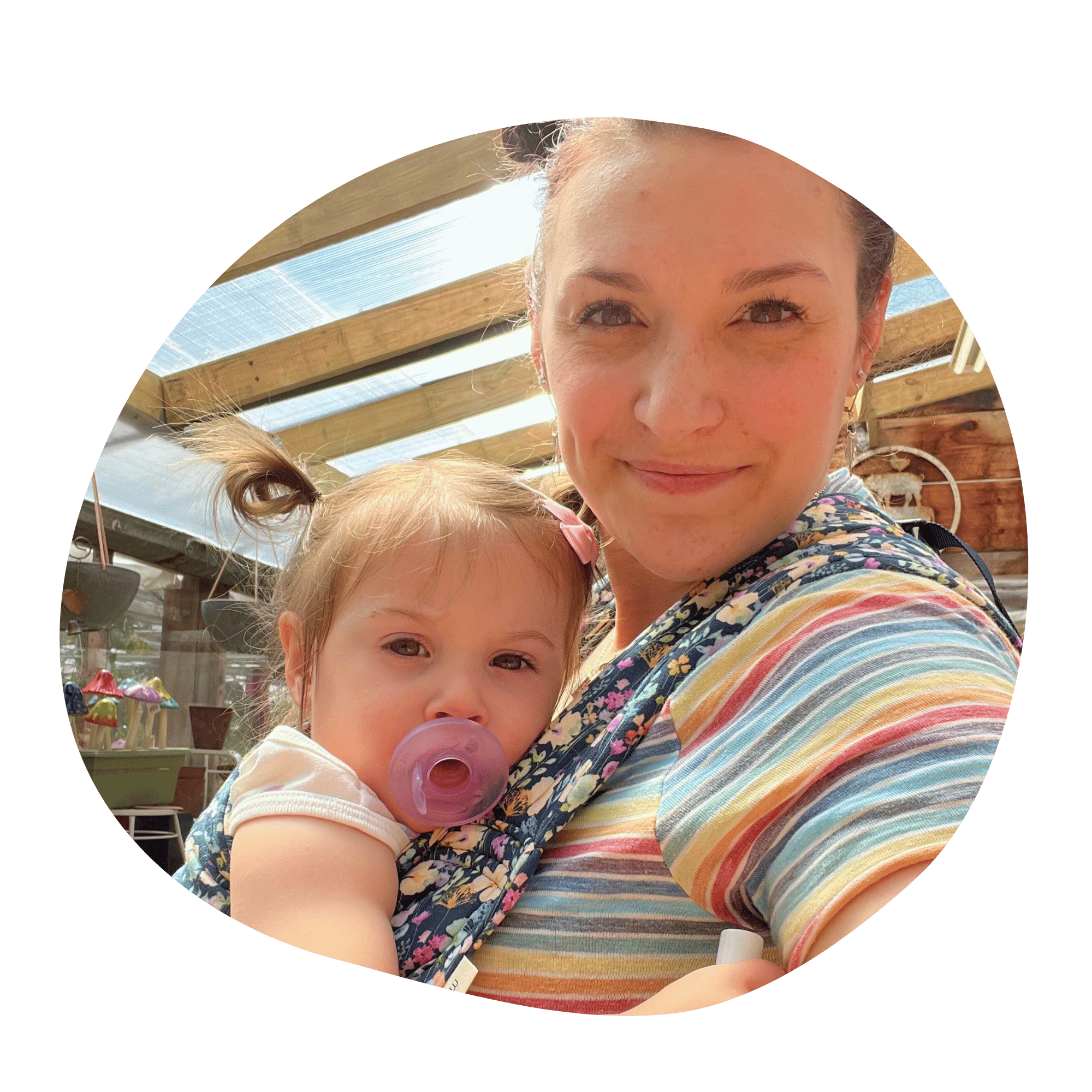
Jordan Morillo OTR/L, Certified Babywearing Consultant is a maternal health occupational therapist and first time mom based in Columbus, OH. She became inspired to start her private practice focused on providing babywearing education and sensory wellness support to postpartum families after her own journey with her son’s NICU stay and struggles with PPA. When she’s not working, Jordan loves cooking with her family and going on outdoor adventures with her toddler. You can find her and her work here or follow along on instagram!


Leave a comment
This site is protected by hCaptcha and the hCaptcha Privacy Policy and Terms of Service apply.